
AI-Generated Job Applications
What Businesses Should Be Thinking About
As artificial intelligence becomes more widely available, many businesses are starting to notice job applications that appear highly polished, generic, or stylistically similar — raising questions about whether they have been written with the help of AI. This has led some business owners and managers to ask an important question: should they be concerned that they may be hiring the skills of AI rather than the skills of the applicant?
In reality, the use of AI in job applications is becoming increasingly common and, in many cases, unavoidable. Many candidates now use AI tools to improve spelling, structure, and clarity in the same way others use grammar-checking software. The presence of AI-assisted writing does not automatically indicate a lack of ability or honesty. However, it does highlight the need for businesses to adapt their hiring processes to ensure they are assessing real capability rather than polished presentation alone.
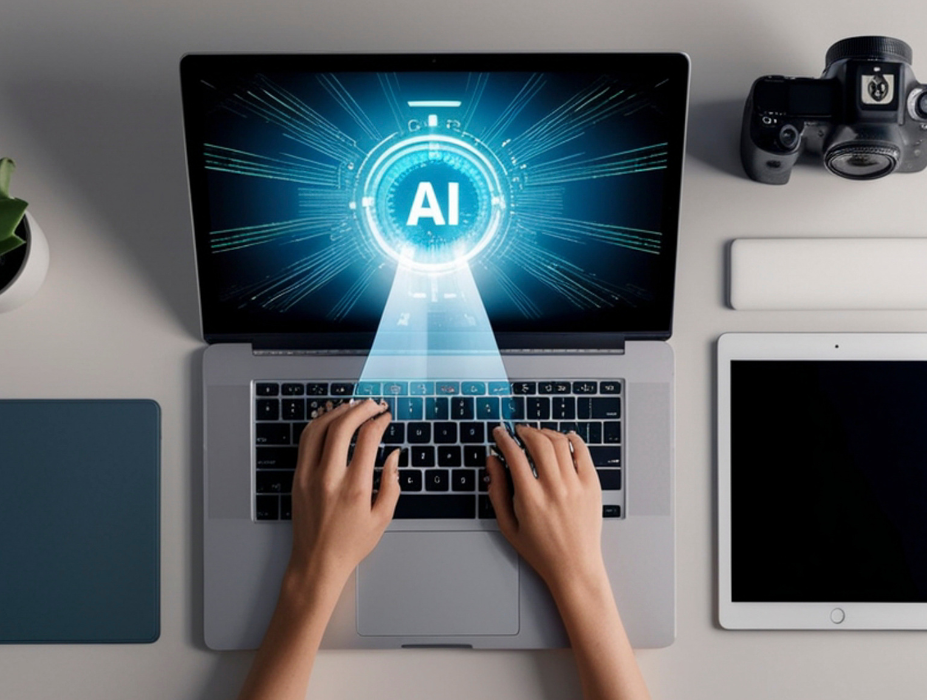


A workplace tool
The main risk for employers is relying too heavily on written applications as proof of competence. Well-structured CVs and cover letters may mask gaps in experience, communication skills, or critical thinking. To address this, businesses should place greater emphasis on interviews, practical assessments, and role-specific tasks. Asking candidates to explain their thinking, solve real problems, or demonstrate skills in real time helps ensure the person — not the technology — meets the role requirements.
Rather than resisting AI, businesses can also benefit from recognising it as a workplace tool. Many roles now require employees to work alongside AI systems, not avoid them. The key is to understand how candidates use AI: whether as a support tool to enhance productivity or as a substitute for knowledge and capability. Open discussion during interviews about how applicants use technology can reveal digital awareness, adaptability, and ethical judgement — all valuable skills in modern workplaces.
Clear expectations and transparency are also important. Businesses should communicate what level of originality, independence, and technical competence is required for each role. This can be reinforced through probation periods, performance reviews, and ongoing development to ensure new hires are delivering value beyond automated outputs.
Mentoring can play a valuable role in helping business owners and managers navigate this evolving landscape. A mentor provides perspective on modern recruitment challenges, supports the design of more effective hiring processes, and helps leaders balance innovation with risk. Mentoring also supports the development of managers, ensuring they can assess capability accurately, integrate technology responsibly, and build high-performing teams in an AI-enabled world.